

CMP Myths Busted, Part 2: “GDPR Doesn’t Apply to My Website”
December 18, 2025
•

2 min read
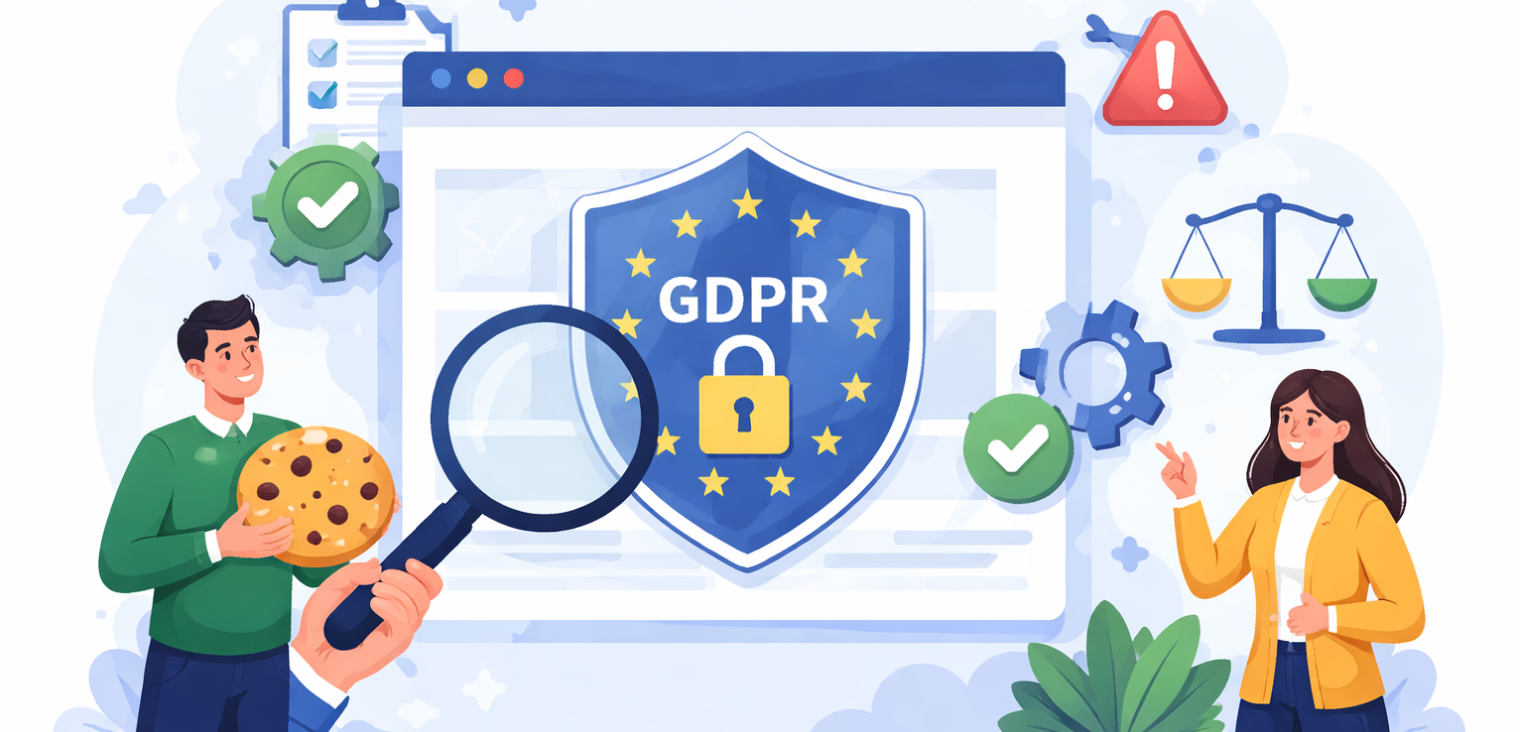
Table of contents
back
to the top
CMP Myths Busted, Part 2: “GDPR Doesn’t Apply to My Website”
“I’m not based in the EU, so GDPR doesn’t apply to me.”
If you've heard this before or even said it, you're not alone. Many startups, SaaS platforms, and international companies assume that data protection laws like the General Data Protection Regulation (GDPR) are location-based, not user-based.
But here’s the truth: If you have users in the EU or UK, GDPR likely applies to you regardless of where your company is based.
Let’s break down why this myth persists and what it really means for your compliance strategy.
The Myth: “We’re Not in the EU, So GDPR Doesn’t Matter”
This assumption often comes from:
- US-based startups launching globally
- Asian or APAC companies targeting European users
- Early-stage dev teams using off-the-shelf banners
- Businesses focusing on CCPA and overlooking GDPR
The logic seems sound: If I’m not in the EU, EU laws don’t apply.
But GDPR doesn’t care where you are — it cares where your users are.
The Reality: GDPR Applies Based on User Location, Not Business Location
According to GDPR Article 3 (Territorial Scope):
The Regulation applies to any company that offers goods or services to, or monitors the behavior of, individuals in the EU regardless of whether the business is physically located in the EU.
If you:
- Ship products to EU countries
- Accept payments in euros
- Translate your website into German, French, etc.
- Use EU-based analytics tools
- Track visitors with cookies
- Run ads or remarketing to EU audiences
Then yes, GDPR applies to you.
What Should You Do Instead?
If there’s even a chance you have EU/UK users, protect your business by:
Using a GDPR-Compliant CMP That:
- Detects user location and shows the right banner experience
- Blocks tracking until valid consent is given
- Stores consent logs securely for audits
- Supports multiple languages and geographies
- Allows users to change or withdraw consent easily
Updating Your Legal Disclosures:
- Add a GDPR-compliant privacy policy
- Clearly explain what data is collected, how, and why
- Outline user rights under GDPR
“But What If I Just Block EU Traffic?”
Some businesses try to geo-block EU users to avoid compliance. This may reduce short-term legal exposure, but:
- It limits your growth potential
- It sends a negative trust signal
- It’s easily bypassed via VPNs or proxies
A better approach? Build trust and scale responsibly by respecting global privacy norms.
Final Takeaway
GDPR isn’t just for EU companies — it’s for anyone with EU users.
Ignoring it won’t make the risk go away. But respecting it from day one can unlock international growth while avoiding compliance headaches.
With the right CMP, GDPR compliance becomes manageable, automated, and scalable, no matter where you are in the world.
Sources
Explore further

What Happens to Your Ad Campaigns When Consent Mode Is Set Up Wrong
See how an incorrect Google Consent Mode setup can underreport conversions, shrink remarketing audiences, and send campaign optimisation in the wrong direction.
July 30, 2026
8 min

Cookie Consent for Mobile Web vs Desktop: Should the Banner Be Different?
Learn how to design a responsive cookie consent banner for mobile and desktop visitors.
July 23, 2026
8 min

Zero-Party Data vs First-Party Data: What Marketers Need to Know About Consent
Learn the practical difference between zero-party and first-party data, and why both still require clear purposes, transparency, and valid consent.
July 16, 2026
8 min