

Global Users, Global Compliance: The Case for Multilingual Privacy Notices
February 02, 2026
•

3 min read

Table of contents
back
to the top
Global Users, Global Compliance: The Case for Multilingual Privacy Notices
If your website serves users in multiple countries, offering your privacy policy in only one language is no longer acceptable, for compliance or for user trust. Multilingual privacy policies are becoming a global expectation and, in many cases, a legal requirement.
Privacy Rights Require Understandability
A privacy policy only works if users can actually read it. Regulations like the GDPR emphasize that privacy notices must be:
- Clear
- Understandable
- Accessible
- Written in the user’s language
If your site targets or regularly receives visitors from a specific region, providing local-language privacy content is essential.
What Needs Translation
A proper multilingual setup translates:
- Privacy policy
- Cookies policy
- Data processing purposes
- Consent explanations
- User rights
- Contact and controller information
- Any third-party disclosures
Every version must communicate the same meaning to avoid legal inconsistency.
Challenges With Global Compliance
Operating across regions means navigating:
- Different legal requirements
- Multiple policy versions
- Frequent updates
- Cultural nuances
- Jurisdiction-specific disclosures
A centralized, well-managed system is crucial to avoiding outdated or conflicting translations.
How Multilingual Policies Improve Trust
Users engage more confidently when information is written in their preferred language. Benefits include:
- Higher transparency
- Greater credibility
- Better consent quality
- Reduced confusion
- Stronger user relationships
Final Takeaway
Multilingual privacy policies aren’t just about localization; they're about respecting user rights and meeting global compliance standards. If your website reaches international audiences, offering privacy information in multiple languages is not optional; it’s essential.
Explore further

What Happens to Your Ad Campaigns When Consent Mode Is Set Up Wrong
See how an incorrect Google Consent Mode setup can underreport conversions, shrink remarketing audiences, and send campaign optimisation in the wrong direction.
July 30, 2026
8 min
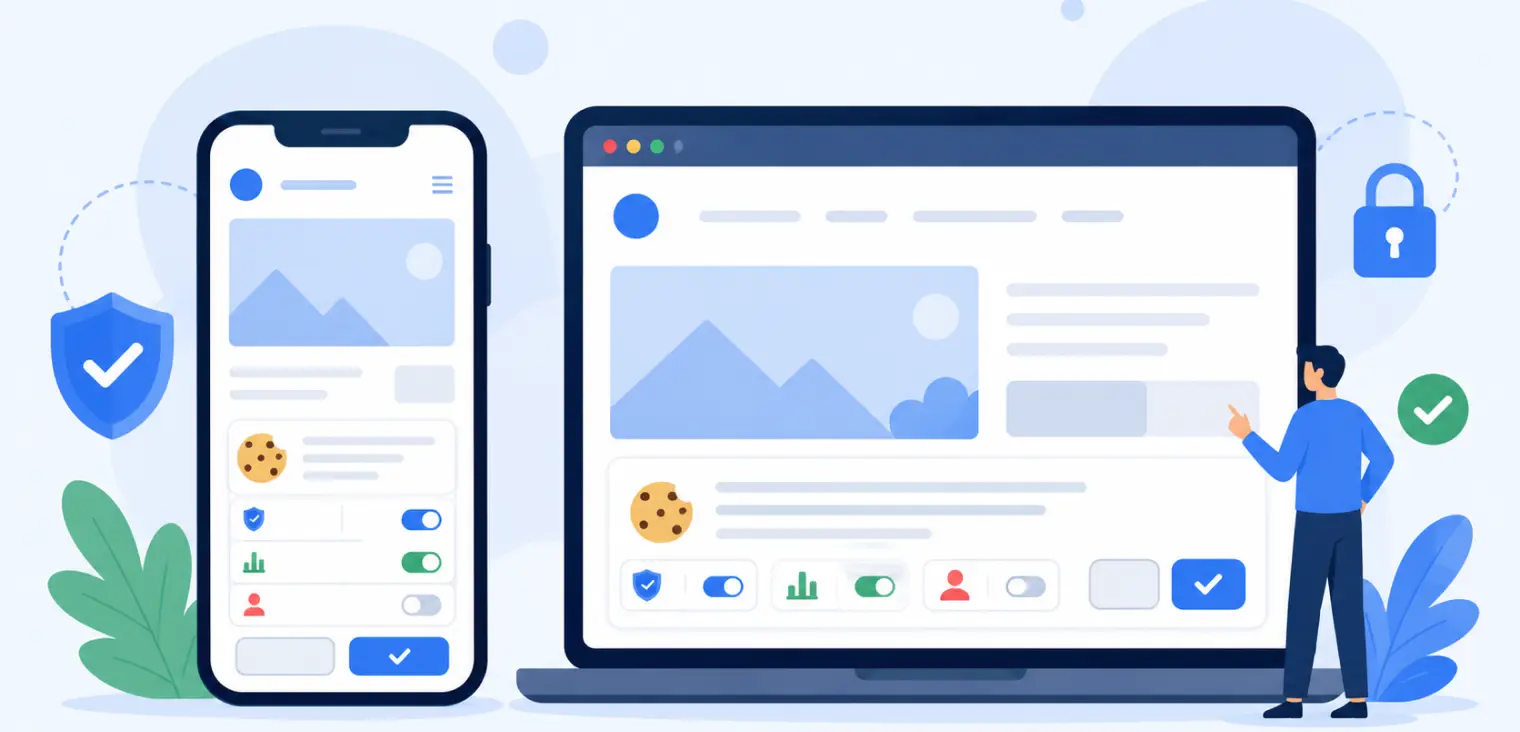
Cookie Consent for Mobile Web vs Desktop: Should the Banner Be Different?
Learn how to design a responsive cookie consent banner for mobile and desktop visitors.
July 23, 2026
8 min

Zero-Party Data vs First-Party Data: What Marketers Need to Know About Consent
Learn the practical difference between zero-party and first-party data, and why both still require clear purposes, transparency, and valid consent.
July 16, 2026
8 min