

US privacy laws, state by state.
24 states have passed a consumer privacy law. Here is when each one starts, what it asks of your website, and how CookiePal handles visitors from each state.
In force
California · CCPA
California’s privacy law works differently from Europe’s. Instead of asking first, you tell visitors what you collect and let them opt out.
- Since
- 1 January 2020
- Applies at
- $26.6M revenue or 100,000 people
- GPC
- Required
- Sensitive data
- Right to limit
- Teens
- Opt-in under 16
- Max fine
- $7,988 per intentional violation
Pick your state
Every law, with what it asks of your website
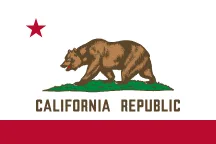 CaliforniaCCPA · since January 2020
 VirginiaVCDPA · since January 2023
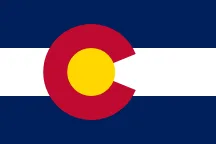 ColoradoCPA · since July 2023
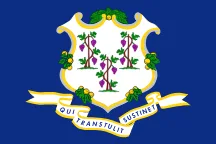 ConnecticutCTDPA · since July 2023
 UtahUCPA · since December 2023
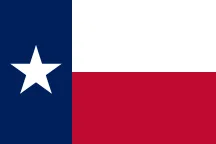 TexasTDPSA · since July 2024
 OregonOCPA · since July 2024
 FloridaFDBR · since July 2024
 MontanaMCDPA · since October 2024
 IowaICDPA · since January 2025
 DelawareDPDPA · since January 2025
 NebraskaNDPA · since January 2025
 New HampshireNHDPA · since January 2025
 New JerseyNJDPA · since January 2025
 TennesseeTIPA · since July 2025
 MinnesotaMCDPA · since July 2025
 MarylandMODPA · since October 2025
 Rhode IslandRIDTPPA · since January 2026
 IndianaICDPA · since January 2026
 KentuckyKCDPA · since January 2026
 OklahomaOCDPA · from January 2027
 LouisianaLDPA · from January 2027
 AlabamaAPDPA · from May 2027
 VermontVDPOSA · from January 2028
What every US state law has in common
They differ in the details, but a website needs the same three things everywhere.
A clear notice
Tell visitors what you collect, why and who gets it, and link to your privacy policy.
An easy opt-out
Let people opt out of the sale of their data and of targeted advertising. No state asks for consent before ordinary cookies.
Respect for GPC
A growing number of states treat the Global Privacy Control browser signal as an opt-out you have to honour.
Questions about US privacy laws
Is there a federal US privacy law?
Not a comprehensive one. Each state with a law protects its own residents, so the rules that apply depend on where your visitors live.
Do I need a cookie banner for US visitors?
No state asks for consent before ordinary cookies. You do need a notice and an easy way to opt out of the sale of data and targeted ads, and in many states you have to honour Global Privacy Control.
Which law applies if a visitor is in Texas and my business is in California?
The visitor’s state. A Texas resident is covered by the Texas law, as long as your business meets its threshold.
Does CookiePal handle every state?
The US mode gives every US visitor a notice, an opt-out link and GPC support. With the US update it also applies each state’s own rules for sensitive data and teens.
One banner for every US state
Start free with 10,000 page views. Upgrade when you need more.